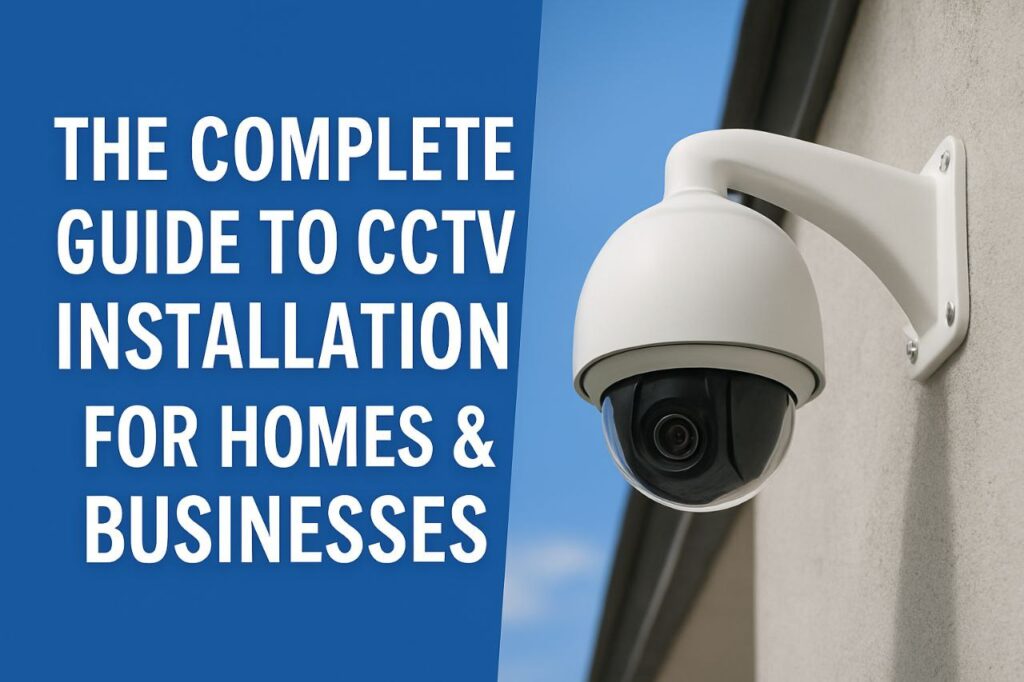
Security is no longer a luxury—it’s a necessity. With rising cases of burglary, vandalism, and workplace theft, CCTV cameras have become an essential part of modern security systems for homes, offices, shops, warehouses, and commercial properties.
If you’re planning to install CCTV cameras, this guide will walk you through everything you need to know: types of cameras, best installation points, costs, and why professional installation matters.
Why CCTV Installation Is Important
A properly installed CCTV system helps you:
-
Monitor your home or office remotely
-
Deter criminals before they even attempt a break-in
-
Gather evidence in case of theft, vandalism, or disputes
-
Increase employee productivity in workplaces
-
Monitor blind spots that security guards may miss
-
Protect valuables and sensitive areas
CCTV cameras not only enhance safety—they give you peace of mind.
Types of CCTV Cameras Explained
Knowing the right camera type will help you install a system that suits your needs.
1. Bullet Cameras
-
Long, cylindrical shape
-
Best for outdoor locations
-
Great for long-distance viewing
-
Weather-resistant design
2. Dome Cameras
-
Dome-shaped, discreet appearance
-
Perfect for indoor monitoring
-
It’s hard for intruders to see the camera direction
-
Offers a wide viewing angle
3. PTZ Cameras (Pan-Tilt-Zoom)
-
Can rotate 360° and zoom in/out
-
Ideal for large facilities and wide areas
-
Controlled automatically or manually
4. IP Cameras
-
Work through the internet connection
-
Allow remote viewing on phone or PC
-
High-definition footage
5. Wireless Cameras
-
Easy to install
-
Can run on Wi-Fi
-
Ideal for homes and small shops
Best Places to Install CCTV Cameras
For maximum security coverage, cameras should be placed strategically. Here are the most important locations:
Exterior Spots
-
Main entrance
-
Back doors
-
Compound gate
-
Parking areas
-
Perimeter walls
Interior Spots
-
Living room
-
Hallways
-
Access corridors
-
Office reception
-
Store rooms
-
Cash handling zones
Avoid installing cameras in private areas like bathrooms or bedrooms to respect privacy laws.
Common CCTV Installation Mistakes to Avoid
Most security issues happen when cameras are installed incorrectly. Common mistakes include:
-
Placing cameras too high or too low
-
Using low-quality cables and connectors
-
Poor lighting leads to unclear night vision
-
Exposing cameras to rain without weather protection
-
Not securing the DVR/NVR from unauthorised access
-
Wrong camera choice for the location
-
Weak Wi-Fi connection for wireless cameras
A professional technician ensures none of these mistakes happen.
Why You Need Professional CCTV Installation
Although DIY installation seems cheaper, it often leads to poor coverage, blind spots, and system failures.
Here’s why professional installation is important:
-
Correct camera positioning
-
Neat and hidden wiring
-
High-quality video output
-
Proper angle adjustment
-
Secure DVR/NVR setup
-
Reliable power connection
-
Remote access configuration
-
Long-term durability
Professionals also ensure the security system cannot be easily disabled by intruders.
Maintenance Tips for Long-Lasting CCTV Systems
To keep your CCTV working efficiently, follow these maintenance tips:
-
Clean camera lenses monthly
-
Check all cable connections
-
Remove spiderwebs blocking the lens
-
Ensure storage devices (HDDs) are not full
-
Test night vision regularly
-
Ensure the DVR/NVR has proper ventilation
-
Change weak power supplies
Regular maintenance keeps your system reliable 24/7.
Conclusion
CCTV installation is one of the smartest investments in security. Whether it’s for your home, office, shop, or warehouse, a professionally installed system helps you monitor activities, prevent crime, and keep your property safe.
Installing the right cameras in the right locations ensures maximum protection—both day and night.